End of life, auch beschädigt: Kann abgeholt werden | End of life, even damaged: Can be picked up
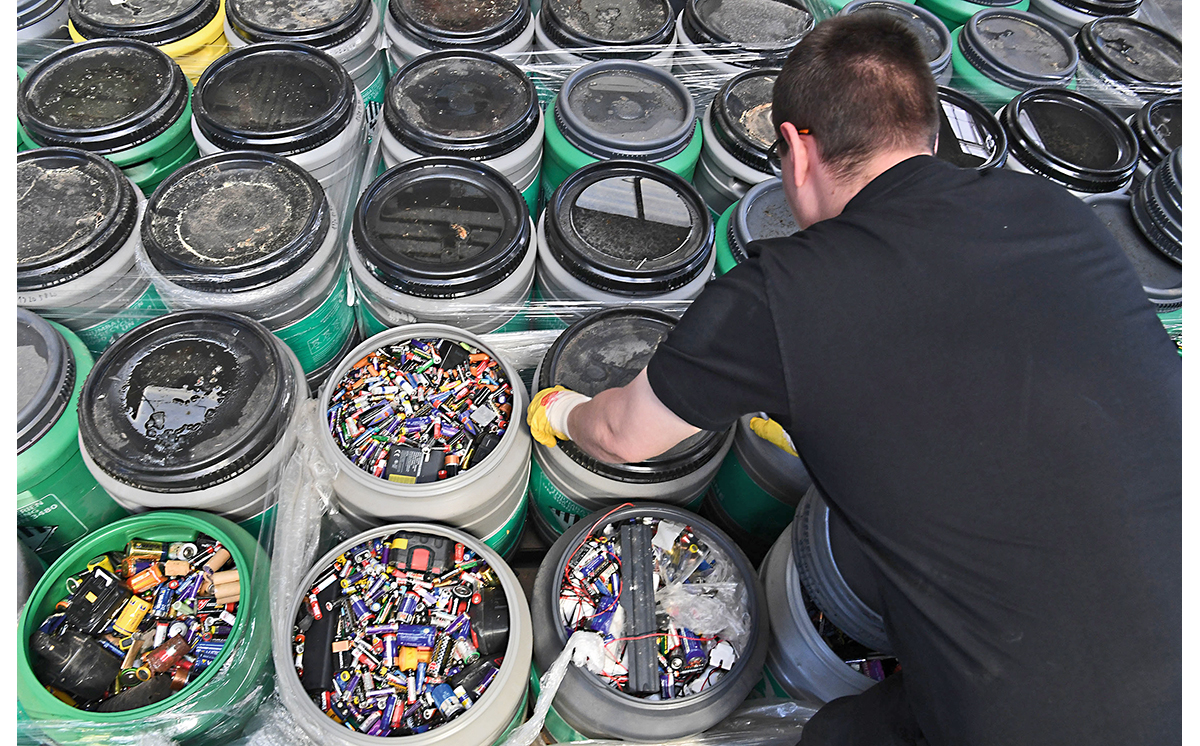
Gemischte Sammlung | Mixed collection
©Foto: Daniela Schulte-Brader„Aufgrund der aus dem geltenden Batteriegesetz (BattG) heraus entstandenen Wettbewerbsnachteile sah sich die Stiftung GRS Batterien gezwungen, ihre Rechtsstellung als festgestelltes Gemeinsames Rücknahmesystem sowie den hiermit verbundenen Auftrag zur gesetzlichen Grundentsorgung für Gerätealtbatterien aufzugeben und die Zulassung als herstellereigenes Rücknahmesystem (hRS) gem. § 7 BattG zu beantragen.“ So ist laut Mitteilung der GRS Anfang dieses Jahres 2020 eine Veränderung der Rechtsverhältnisse vollzogen worden. Aus Sicht der GRS eine unumgängliche, aber bedauerliche Wende. „Wir bedauern sehr, dass es über Jahre hinweg nicht gelungen ist, in einem an sich klug angelegten Batteriegesetz faire Wettbewerbsbedingungen im Vollzug herzustellen. Umso mehr hoffen wir, dass die angekündigte Novellierung des Batteriegesetzes diese Mängel beheben wird.“
Mit dem Entfall des Gemeinsamen Rücknahmesystems sind nun zunächst alle vom Umweltbundesamt (UBA) zugelassenen herstellereigenen Rücknahmesysteme gleichermaßen verpflichtet, allen Rücknahmestellen die kostenlose Abholung von Gerätealtbatterien anzubieten. Völlig unklar ist gemäß der GRS allerdings, wie das zukünftige Miteinander von Rücknahmesystemen, die flächendeckende Entsorgungssicherheit und die Weiterentwicklung der Produktverantwortung gesetzlich ausgestaltet werden soll. „Wir befürchten einen gesetzlich beförderten Wettbewerb um die geringstmögliche Zielerreichung und kontraproduktive Auswirkungen auf die Produktverantwortung“, so die Stiftung.
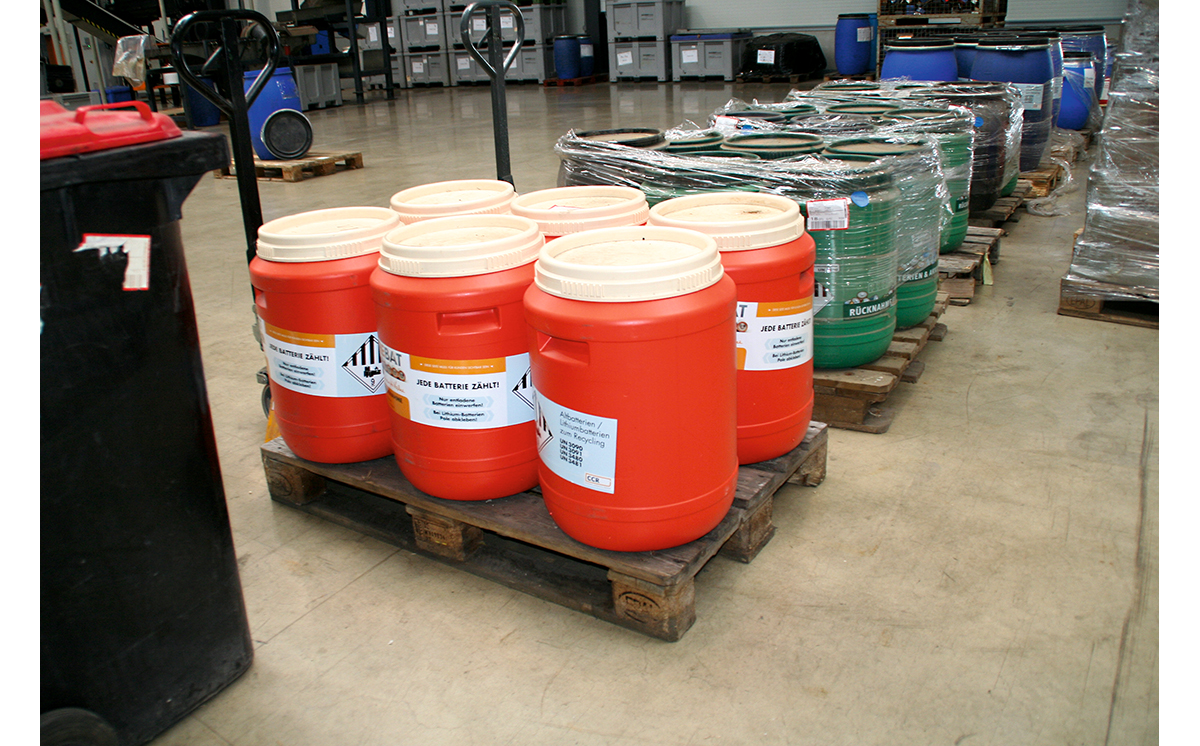
UN-zugelassene Sammelbehälter | UN approved container
©Foto: Daniela Schulte-BraderSystemanbieter
Einige der zugelassenen Anbieter haben neben den gesetzlich verpflichteten Rücknahmen von Gerätebatterien umfassende Rücknahmemöglichkeiten auch für Industriebatterien mit höheren Leistungsgrenzen und hohen Gewichtsgrößen geschaffen. GRS hat zudem in Zusammenarbeit mit dem Zweiradverband (ZIV) ein Rücknahmesystem für Akkus aus Elektrofahrrädern entwickelt, das auch alle gefahrgutrechtlichen Verantwortlichkeiten mit berücksichtigt. In Zusammenarbeit mit dem Zentralverband der Deutschen Elektro- und Informationstechnischen Handwerke (ZVEH) bietet GRS das Gleiche für stationäre elektrische Energiespeicher an.
Neben den zertifizierten Systemanbietern haben sich in den vergangenen Jahren weitere Anbieter für Rücknahmen von Lithiumbatterien etabliert, zum Teil mit der Möglichkeit zur europaweiten Rücknahme.
Daniela Schulte-Brader
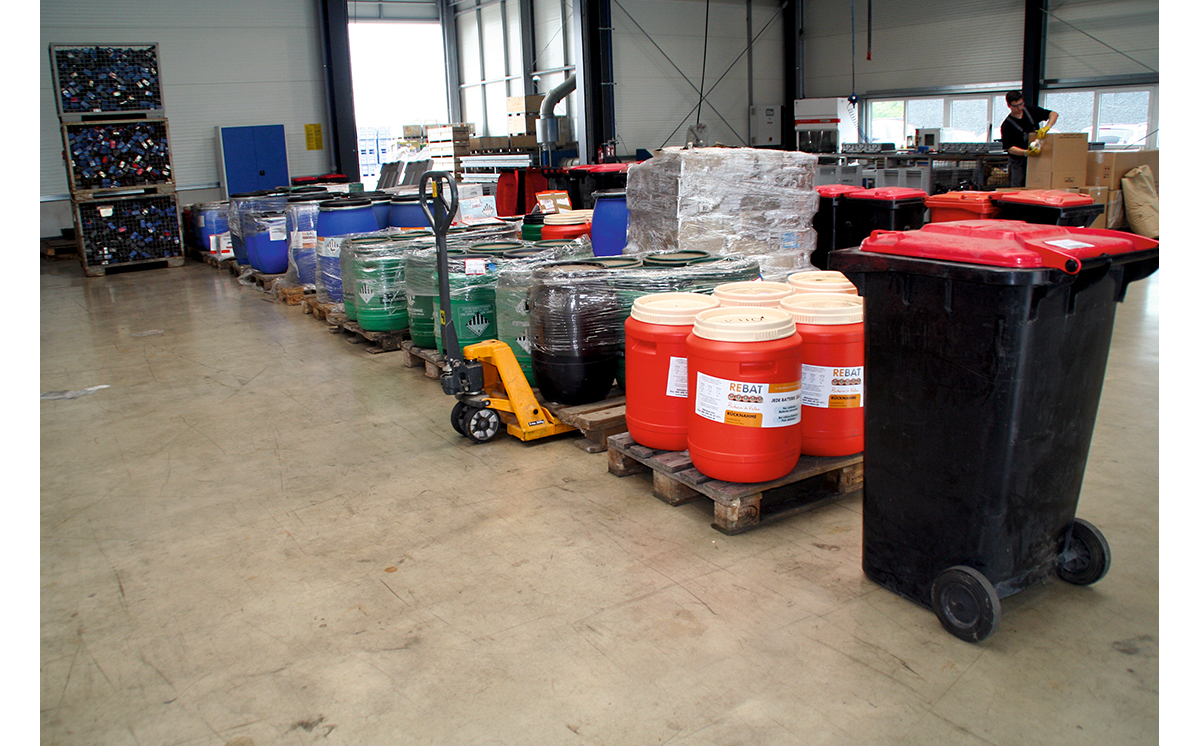
Vier zugelassene Systeme für die Sammlung Gerätebatterien. | Four approved systems for the collection of device batteries.
©Foto: Daniela Schulte-Brader„Due to the competitive disadvantages resulting from the applicable Battery Act (BattG), the GRS Batteries Foundation was forced to abandon its legal status as a common return system and the related mandate for statutory basic disposal for used batteries and approval as a manufacturer‘s own return system (hRS) according to § 7 of the BattG.“According to the GRS announcement, a change in the legal situation took place at the beginning of this year 2020 in Germany.
From GRS‘s point of view, an inevitable but unfortunate turnaround. „We very much regret that over the years it has not been possible to establish fair competitive conditions in enforcement in a battery law that is in itself cleverly designed. We hope all the more that the announced amendment to the Battery Act will remedy these shortcomings.“
With the elimination of the common take-back system, all of the manufacturer‘s own take-back systems approved by the German Federal Environment Agency (UBA) are now equally obliged to offer free collection of used device batteries to all take-back points. However, according to the GRS, it is completely unclear how the future cooperation of return systems, the comprehensive disposal security and the further development of product responsibility should be designed by law. „We fear a legally promoted competition for the lowest possible target achievement and counterproductive effects on product responsibility,“ said the foundation.
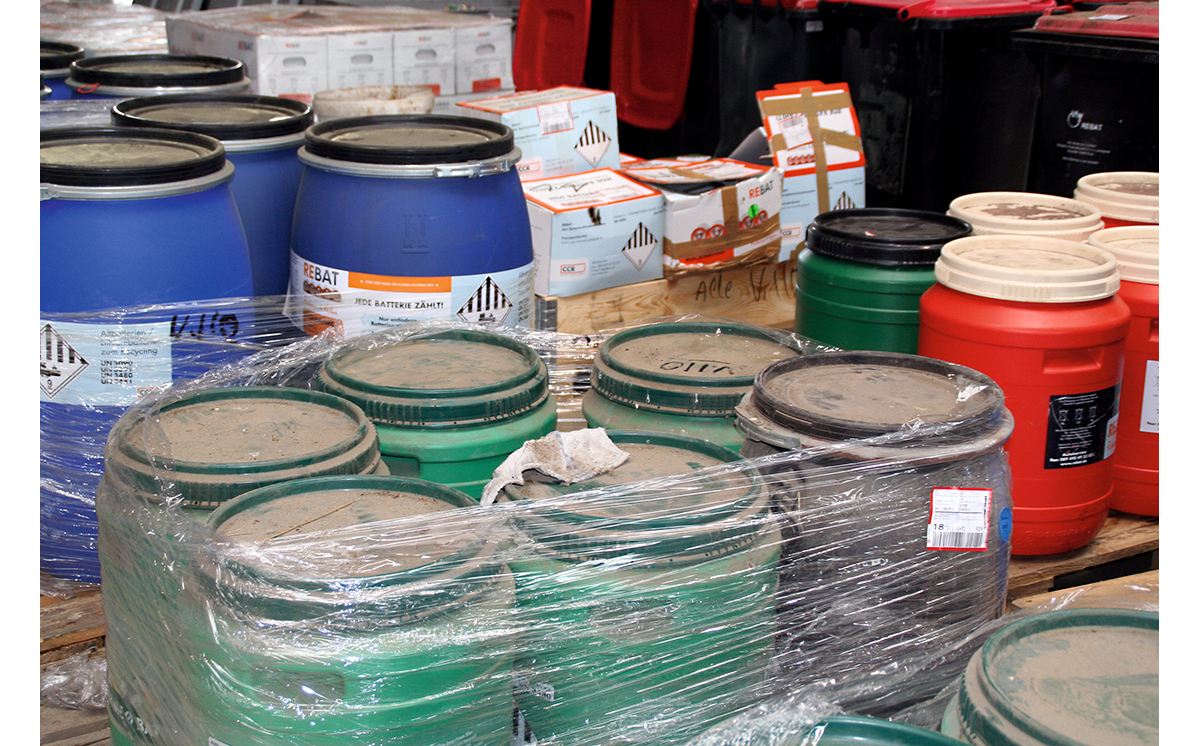
System vendors
In addition to the legally required withdrawals of portable batteries, some of the approved providers have also created comprehensive return options for industrial batteries with higher performance limits and large weights. In cooperation with the Zweiradverband (ZIV), GRS has also developed a take-back system for batteries made from electric bicycles, which also takes into account all responsibilities under dangerous goods law. In cooperation with the Central Association of German Electrical and Information Technology Crafts (ZVEH), GRS offers the same for stationary electrical energy storage.
In addition to the certified system providers, other providers for the return of lithium batteries have established themselves in recent years, some with the possibility of taking them back across Europe and up to 800 kg of Weight. These providers may develop packaging solutions in collaboration with the companies that are developed by the Federal Institute for Materials Research and Testing (BAM).
Daniela Schulte-Brader
© Copyright 2026 Gefahrgut-Online

Diskutieren Sie mit