Survey Introduction: Close cooperation
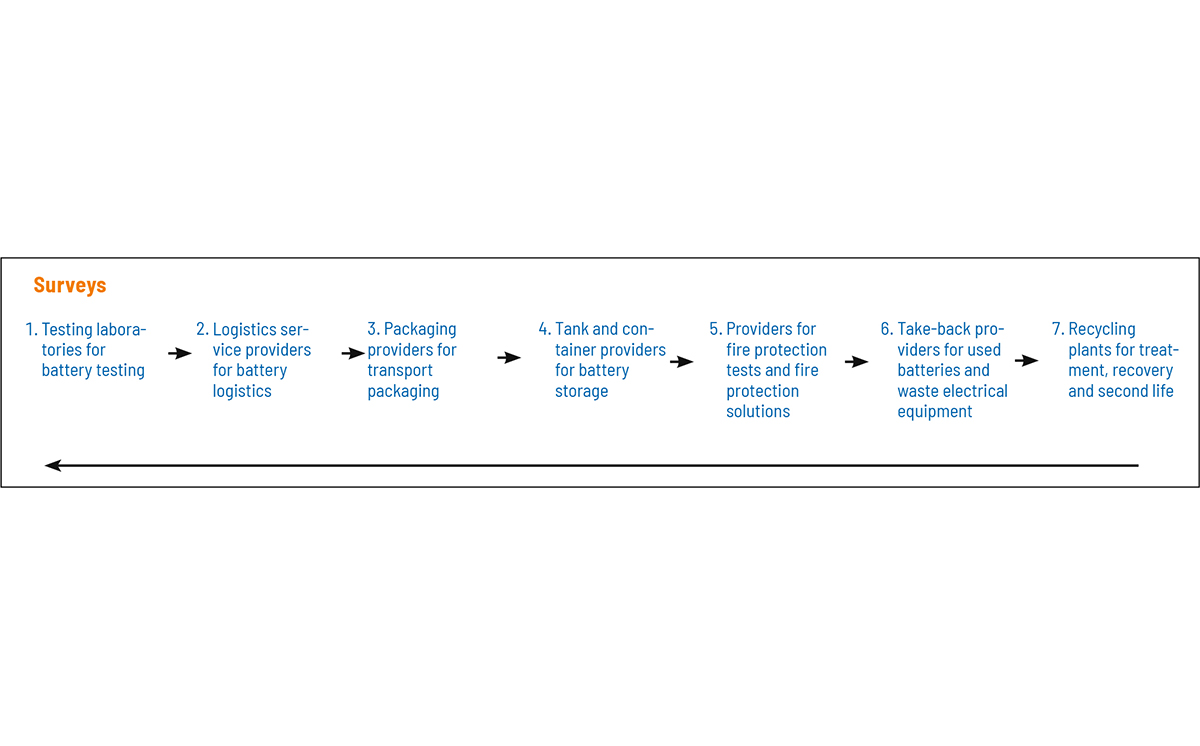
Surveys: From testing laboratories to recycling plants
©Foto: TECVIA Media GmbHThe transport, storage and disposal of batteries and devices containing batteries place high demands on infrastructure and expertise. A wide range of specialized components is required to handle these batteries safely and efficiently: Lithium and, more recently, sodium-ion batteries require special packaging, sophisticated cushioning material and specialized logistics service providers to ensure safe transport at all stages – even for critically defective batteries.
Storage cabinets are required for use as operating equipment. Storage containers with integrated fire protection concepts, on the other hand, are ready for use outside workshops and warehouses as special structures.
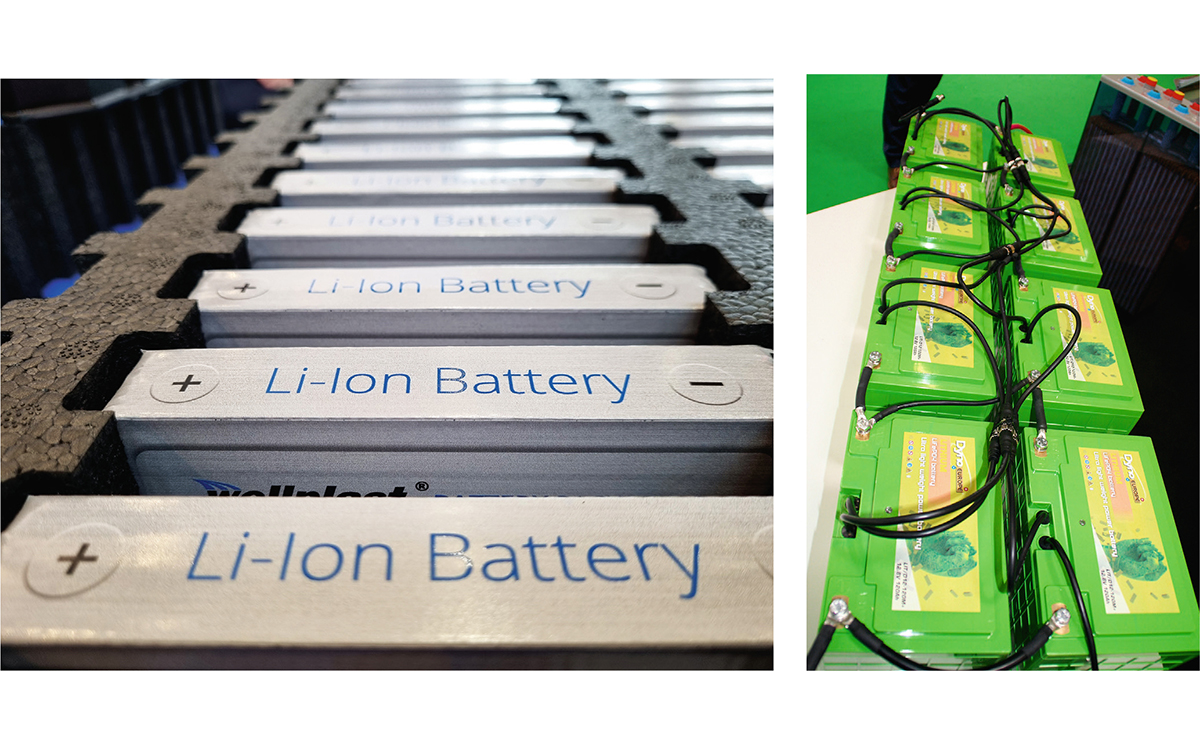
Market overviews highlight players, trends and developments along the production, transport and disposal chain for batteries of all sizes. Starting with the initial tests and ending with the final course.
©Foto: D. Schulte-Brader | TECVIA Media GmbHNew legal regulations are often aimed at ensuring that batteries and old electrical appliances are returned to the right channels. The official collectors, former take-back systems, are currently transforming themselves into so-called ‘producer responsibility organizations’ and are committing themselves to different battery categories. Other companies are now joining them.
At the end, and at the same time at the beginning, are recycling plants that extract valuable materials from used batteries, thus creating a cycle for new batteries. They are still in the early stages of this task, especially since the necessary investments require a solid and reliably growing mass of batteries– which is slightly delayed these days – and, on the other hand, demand enormous sums of money depending on the process. But the potential is there.
Daniela Schulte-Brader
© Copyright 2026 Gefahrgut-Online

Diskutieren Sie mit